Mastering Personal Finance in 2026: A Comprehensive Guide to Wealth Building
Managing money in 2026 is vastly different from how it was just a few years ago. With the global economy facing new challenges like AI-driven job shifts, fluctuating inflation, and the rise of decentralized finance, having a solid grasp of personal finance is no longer optional—it is a survival skill. At Vezeryo, we believe that financial freedom starts with education. This guide will walk you through the essential pillars of wealth building in the modern era.

1. Understanding the New Economic Landscape
The first step to mastering your finances is understanding the environment you are in. In 2026, we see a “Gig Economy” that has become the mainstream. Traditional 9-to-5 jobs are being supplemented or replaced by multiple income streams. This means your budgeting and saving strategies must be flexible enough to handle irregular income.
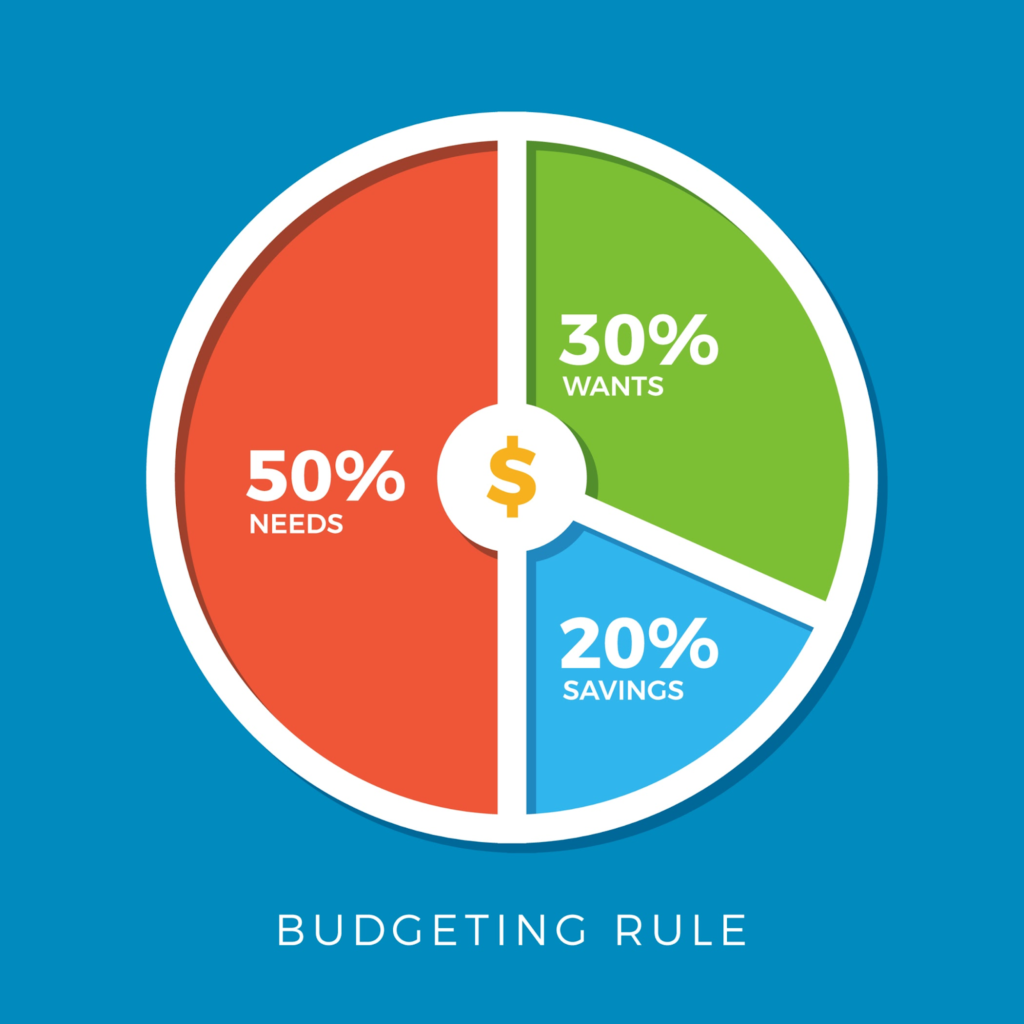
2. The 50/30/20 Budgeting Rule (2026 Edition)
Budgeting is the foundation of wealth. A time-tested method is the 50/30/20 rule, but in 2026, we need to adapt it to higher living costs:
- 50% for Needs: Housing, utilities, groceries, and insurance.
- 30% for Wants: Entertainment, dining out, and hobbies.
- 20% for Financial Goals: This includes debt repayment, emergency funds, and investments.
If you live in a high-inflation area, you might need to squeeze the “Wants” to 20% and move more into “Needs” or “Savings.”
3. Building a “Bulletproof” Emergency Fund
Before you invest a single penny in the stock market or crypto, you must have an emergency fund. In 2026, experts recommend keeping at least 6 to 9 months of essential expenses in a high-yield liquid account. Why? Because the job market is more volatile than ever due to AI automation. This fund acts as your financial shock absorber.
4. Smart Investing: Beyond the Basics
In 2026, diversification is the name of the game. Don’t put all your eggs in one basket. Here is how a balanced portfolio looks:
- Index Funds & ETFs: These should be the core of your portfolio for long-term stability.
- Fractional Assets: Whether it’s high-end real estate or gold, use platforms that allow you to buy small “fractions” of expensive assets.
- Crypto and Digital Assets: Keep these to a small percentage (5-10%) of your total portfolio due to high volatility.
5. Managing Debt in a High-Interest Era
Debt can be a tool or a trap. In 2026, high-interest credit card debt is the biggest enemy of wealth. Use the “Debt Snowball” or “Debt Avalanche” method to clear your liabilities.
- Snowball: Pay off the smallest debts first for psychological wins.
- Avalanche: Pay off debts with the highest interest rates first to save money in the long run.
6. The Role of AI in Personal Finance
Use technology to your advantage. In 2026, AI-based financial assistants can analyze your spending patterns in real-time and suggest where you can cut costs. These tools can automate your savings, so you “pay yourself first” without even thinking about it.
7. Tax Planning and Legal Optimization
Many people focus on earning more but forget to keep more. Understanding tax-advantaged accounts (like 401ks, IRAs, or local equivalent schemes) is crucial. In 2026, tax laws are changing rapidly to keep up with digital currencies, so staying informed can save you thousands.
Frequently Asked Questions (FAQs)
Q1: Is it safe to keep money in digital-only banks in 2026? A: Yes, most digital banks are now fully regulated and insured. However, always check for “Deposit Insurance” before moving large sums.
Q2: How much should I invest in AI stocks? A: While AI is booming, it’s risky to over-concentrate. Stick to diversified Tech ETFs that include AI companies rather than betting on just one.
Q3: Should I pay off my home loan or invest? A: If your loan interest rate is lower than the expected market return, investing might be better. However, the peace of mind of being debt-free is also a “return” on investment.

Final Thoughts
Wealth building is a marathon, not a sprint. The key to financial success in 2026 is Consistency. By following these steps, budgeting, saving for emergencies, and investing wisely—you are setting yourself up for a secure future. Stay tuned to Vezeryo for more deep dives into the world of finance.