SEO vs. Local SEO in 2026: A Comprehensive Guide to Dominating Search Results
In the digital landscape of 2026, being “online” is no longer enough. You must be “found.” However, the strategy to be found by a global audience is vastly different from the strategy to be found by someone standing two blocks away from your shop. At Vezeryo, we believe that understanding the distinction between Traditional SEO and Local SEO is the foundation of any successful digital marketing plan.
This guide provides a deep dive into both strategies, helping you decide where to invest your time and budget for maximum ROI.
1. What is Traditional SEO? (The Global Approach)
Traditional SEO (often called National or Organic SEO) focuses on improving your website’s visibility on a global or national scale. The goal is to rank for keywords that aren’t tied to a specific location.
- Primary Goal: To drive traffic to your website regardless of where the user is located.
- Key Platforms: Google Search Results (SERPs), Blogs, and E-commerce pages.
- Search Intent: Informational or Transactional (e.g., “how to start a business” or “buy organic coffee beans”).
2. What is Local SEO? (The Proximity Approach)
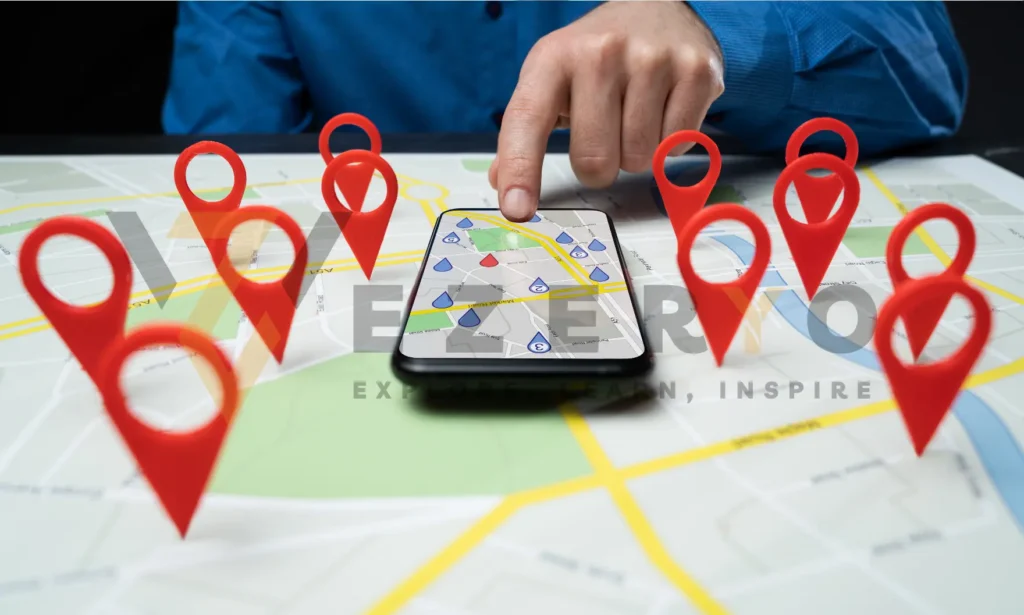
Local SEO is a specialized branch of SEO that focuses on appearing in search results for a specific geographic area. When Google detects “Local Intent” (like someone searching for “dentist near me”), it switches to a completely different algorithm.
- Primary Goal: To drive foot traffic, phone calls, and “near me” conversions.
- Key Platforms: Google Maps, the “Local Pack” (the map with 3 listings), and Yelp.
- Search Intent: Action-Oriented (e.g., “best pizza delivery in London” or “emergency plumber open now”).
3. Key Differences: SEO vs. Local SEO (2026 Comparison)
| Feature | Traditional SEO | Local SEO |
| Target Audience | Global or National | Neighborhood, City, or Region |
| Main Ranking Factor | Content Quality & Backlinks | Proximity, Reviews, & GBP |
| Google Feature | Blue Links & Snippets | Map Pack & Business Profile |
| Keyword Type | Broad (e.g., “Healthy Recipes”) | Geo-Modified (e.g., “Healthy Cafe Lahore”) |
| Timeline | Long-term (6-12 months) | Medium-term (3-6 months) |
4. The 3 Pillars of Local SEO in 2026
In 2026, Google’s local algorithm relies on three main factors to decide who shows up on the map:
A. Proximity (Distance)
How close is your business to the person searching? Google uses mobile GPS signals to show the most convenient options. While you can’t change your physical location, you can optimize for specific neighborhoods.
B. Relevance
Does your business actually provide what the user is looking for? This is why your Google Business Profile (GBP) categories and descriptions must be 100% accurate. In 2026, AI scans your website to ensure your services match your profile’s claims.
C. Prominence (Trust)
How famous or “trusted” is your business? Google looks at your review count, star rating, and how often people mention your brand online. High prominence can sometimes help you outrank a competitor who is physically closer to the searcher.
5. Essential Strategies for Traditional SEO
If you want to rank globally, focus on these “Evergreen” tactics:
- High-Quality Content: 2026 is the year of “Expertise.” Your articles must be long, well-researched, and original (like this one on Vezeryo).
- Technical SEO: Your site must load in under 1.5 seconds. Use modern formats like WebP for images and ensure your “Core Web Vitals” are perfect.
- Backlink Authority: Links from high-authority websites (like news outlets or industry blogs) act as a “vote of confidence” for your site.
6. Essential Strategies for Local SEO
To dominate your local market, follow these steps:
- Claim & Optimize GBP: Complete every section of your Google Business Profile. Add photos, list your services, and post weekly “Google Updates.”
- NAP Consistency: Ensure your Name, Address, and Phone number are identical across every directory (Yelp, Yellow Pages, Facebook, etc.).
- Local Keywords: Use keywords that include your city or neighborhood name in your Meta Titles and H1 tags.
- Review Velocity: Don’t just get 50 reviews and stop. Google rewards businesses that get consistent new reviews every week.
7. The Rise of “Zero-Click” Searches in 2026
A major trend in 2026 is that users often get the information they need without ever clicking on a website. They see your phone number or address directly on Google Maps and call you.
- The Lesson: Your Local SEO must be so good that a user can convert directly from the search result.

Frequently Asked Questions (FAQs)
Q1: Does my business need both Traditional and Local SEO?
A: If you have a physical office or serve a specific area, Local SEO is your priority. If you sell digital products or ship worldwide, focus on Traditional SEO. Most businesses benefit from a hybrid approach.
Q2: How do reviews affect my ranking in 2026?
A: Reviews are more powerful than ever. AI now analyzes the text of your reviews to see if customers mention specific services (e.g., “The vegan pasta was amazing”). Mentioning specific services in reviews helps you rank for those keywords.
Q3: Can I do Local SEO if I don’t have a physical shop?
A: Yes! You can register as a “Service Area Business” (SAB). You can tell Google which cities you serve without showing your home address on the map.
Final Thoughts
SEO is a marathon, not a sprint. Whether you are aiming for global dominance or local fame, the key is consistency and providing real value to your audience. At Vezeryo, we recommend starting with Local SEO if you are a small business, as it usually provides a faster return on investment. Once your local presence is strong, you can expand your reach with a broader SEO strategy.