Mastering Wholesale E-commerce in 2026: The Ethical and High-Profit Path to Success
The digital commerce landscape in 2026 has shifted back to the basics of retail: Ownership and Authenticity. While various business models exist, Wholesale E-commerce stands out as the most stable, ethical, and scalable method for long-term growth. Unlike models that rely on third-party fulfillment without ownership, the wholesale model allows you to manage quality, control your supply chain, and build a brand that customers can trust.
At Vezeryo, we believe that true business success comes from providing real value through tangible products. This guide explores how to launch and scale a wholesale e-commerce business in 2026, adhering to ethical standards and modern market demands.
1. What is Wholesale E-commerce?
Wholesale e-commerce involves purchasing goods in bulk directly from manufacturers or large-scale distributors at a discounted price and selling them at a retail markup on your own digital platform.
In 2026, the key difference is the Direct-to-Consumer (D2C) Wholesale Hybrid model. Brands are now buying stock, storing it in localized micro-fulfillment centers, and using advanced AI to predict which products will sell best in specific regions.
2. Why Choose Wholesale Over Other Models?
Choosing the wholesale model in 2026 offers several strategic advantages that are often missing in “light” business models:
- Asset Ownership: You own the inventory. This provides security and allows you to inspect every item for quality before it reaches the customer.
- Higher Profit Margins: Buying in bulk significantly reduces the cost per unit. While your initial investment is higher, your “per-sale” profit is much better.
- Fast Shipping: Since you have the stock in your warehouse (or a local 3PL), you can offer 1-2 day delivery, which is the industry standard in 2026.
- Ethical Transparency: You know exactly where your products come from, who made them, and the conditions under which they were produced.
3. Step-by-Step Guide to Launching Your Wholesale Business
Phase 1: Market Validation and Niche Selection
In 2026, generic stores are failing. You need to be a specialist. Use AI-powered market research tools to find “Under-served” niches.
- Focus on Essentials: High-quality organic textiles, sustainable home goods, or specialized halal-certified cosmetics are booming in 2026.
- Analyze the “Gap”: Find products where the current market leader has poor customer service or slow shipping. That is your entry point.

Phase 2: Sourcing and Supplier Relationships
Your supplier is the backbone of your business.
- Verify Authenticity: Ensure the manufacturer has all necessary certifications (ISO, Halal, Fair Trade).
- Negotiate Minimum Order Quantities (MOQs): In 2026, many manufacturers are flexible. Start with smaller bulk orders to test the market.
- Draft Clear Agreements: Define lead times, quality standards, and return policies for defective units.
Phase 3: Setting Up Your Digital Storefront
Using platforms like Shopify or WooCommerce, build a site that reflects your brand’s values.
- Inventory Management Systems (IMS): Integrate an IMS that tracks your stock in real-time across multiple sales channels.
- High-Definition Content: In 2026, customers want to see the “Texture” of the product. Use 4K videos and 3D product views.
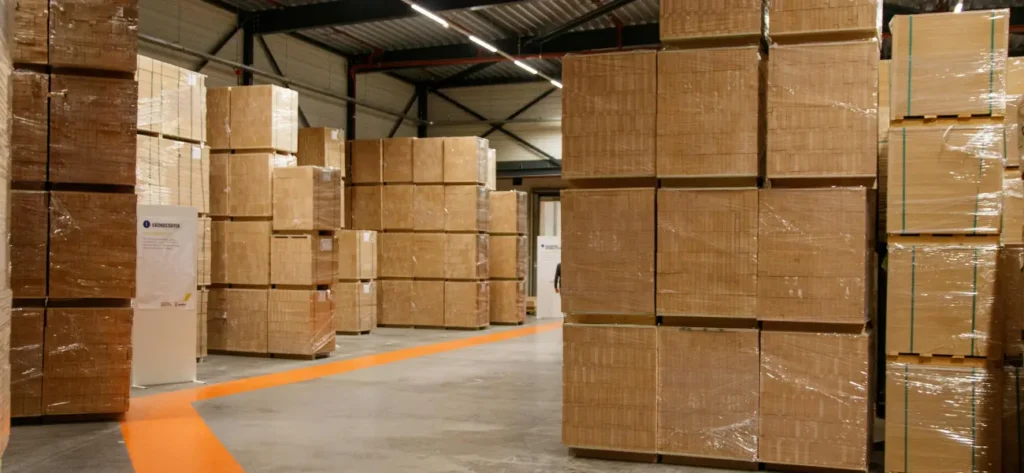
4. Managing Logistics and Warehousing in 2026You don’t necessarily need a massive warehouse. In 2026, Micro-Fulfillment Centers (MFCs) are the trend.
- Localized Storage: Store your top-selling items in small hubs near your biggest customer bases.
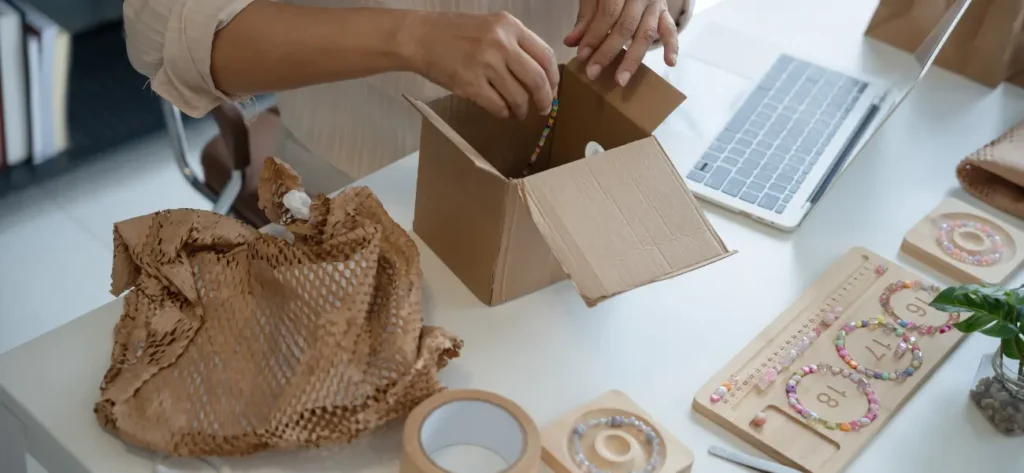
- Automated Packaging: Use eco-friendly, automated packaging systems that reduce waste and lower shipping costs.
- Returns Management: A smooth return process is a trust-builder. Have a dedicated system to inspect returned goods and restock them quickly.
5. Ethical Marketing: Building a Community, Not Just a List
Marketing in 2026 is about Honesty.
- Zero-Party Data: Ask your customers about their preferences directly rather than tracking them secretly.
- Educational Content: Don’t just sell a product; teach your audience how to use it. If you sell organic honey, write a guide on its health benefits and sourcing.
- Loyalty Programs: Reward repeat customers with “Wholesale Tier” pricing or early access to new collections.
6. Financial Planning and Scaling
Wholesale requires more capital upfront, so your financial tracking must be precise.
- Cash Flow Management: Ensure you have enough liquidity to re-order stock before you run out.
- Reinvestment Strategy: In the first two years, reinvest 70% of your profits back into inventory and technology.
- Scaling via Marketplaces: Once your own site is stable, expand to Amazon, eBay, or niche regional marketplaces to reach a wider audience.
7. Comparison: Wholesale vs. Other E-commerce Models
| Feature | Wholesale E-commerce | Other Models (Non-Ownership) |
| Control | Full (Quality, Brand, Shipping) | Limited (Dependent on others) |
| Risk | Higher Upfront Cost | Lower Initial Risk |
| Profit Margin | High (Bulk Buying) | Low to Medium |
| Brand Value | Strong & Trustworthy | Often perceived as “Generic” |
| Fulfillment | Fast (Local Stock) | Often Slow (Global Shipping) |
Frequently Asked Questions (FAQs)
Q1: How much capital do I need for a Wholesale business in 2026?
A: Depending on your niche, a starting capital of $3,000 to $10,000 is recommended. This covers your first bulk order, branding, and basic marketing.
Q2: Is the Wholesale model “Halal”?
A: Yes. The fundamental Islamic principle of trade is that you must own and have possession of the goods you sell. Wholesale follows this principle perfectly.
Q3: How do I compete with giants like Amazon?
A: By specializing. Amazon is a general store; you should be an expert “Niche Store.” People buy from experts because they want curated quality, not just the lowest price.
Final Thoughts
Wholesale E-commerce in 2026 is for the serious entrepreneur who wants to build a legacy. It requires more effort and investment than other models, but the foundation it provides is unbreakable. By owning your products, respecting your customers, and using modern AI tools to optimize your operations, you can build a thriving, ethical business. At Vezeryo, we are committed to helping you navigate this journey with integrity and excellence.